Monday, January 13, 2025

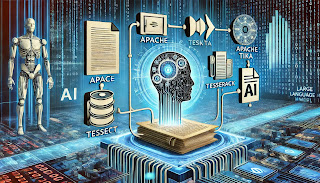
Open Source Tools Solving the LLM Document Parsing Problem


Open source

The advent of Large Language Models (LLMs) has revolutionized the way machines interact with and process human language. These models, trained on massive datasets, have shown remarkable capabilities in natural language understanding, generation, and translation. However, one persistent challenge remains—parsing and extracting meaningful information from complex documents. Document parsing involves converting unstructured or semi-structured data into a structured format that machines can easily process. As organizations generate and handle an ever-increasing volume of data, efficient and accurate document parsing solutions have become a critical need.

This article explores how open-source tools have risen to address the challenges associated with LLM document parsing, focusing on their accessibility, flexibility, and adaptability for different use cases.


Understanding the Document Parsing Problem

Documents often come in varied formats, such as PDFs, scanned images, Word files, and HTML pages. They may contain a mix of textual data, tables, graphs, images, and other structured elements. Parsing these documents requires the ability to:

  1. Extract Text: Recognizing and retrieving text from various file formats.
  2. Detect Structure: Identifying headers, paragraphs, tables, bullet points, and sections.
  3. Interpret Context: Assigning meaning to the extracted information for downstream tasks such as summarization, classification, or question answering.

While LLMs like GPT-4, BERT, and T5 excel at language understanding, they often require pre-processed and well-structured inputs. Document parsing, especially from formats like PDFs and scanned images, is inherently noisy and complex, making it a significant bottleneck in applications such as automated legal analysis, financial reporting, and academic research.


Why Open Source?

Open-source tools have emerged as the go-to solution for tackling the LLM document parsing challenge due to several factors:

  • Transparency: Open-source solutions provide full visibility into the code, allowing users to understand and customize them to suit their specific needs.
  • Cost Efficiency: Most open-source tools are free to use, reducing the financial burden of adopting proprietary software.
  • Community Support: Open-source projects benefit from large, active developer communities that contribute improvements, bug fixes, and new features.
  • Integration Flexibility: These tools can be integrated into various workflows, often with support for programming languages like Python, Java, or JavaScript.

Below, we delve into some of the leading open-source tools that have proven effective for LLM document parsing.


Top Open Source Tools for LLM Document Parsing

1. Apache Tika

Apache Tika is a widely-used open-source library for document parsing and content extraction. It supports a broad range of file formats, including PDFs, Word documents, spreadsheets, and multimedia files.

Key Features:

  • Extracts metadata, text, and language information.
  • Provides support for Optical Character Recognition (OCR) with tools like Tesseract for parsing scanned documents.
  • Offers REST API integration for seamless deployment.
  • Written in Java but accessible via bindings for other languages like Python.

Use Case: Tika can be paired with an LLM to process large volumes of multi-format documents, extract relevant information, and feed structured data into the model for advanced NLP tasks.


2. Tesseract OCR

Tesseract is an open-source Optical Character Recognition (OCR) engine developed by Google. It is especially effective for extracting text from images and scanned documents.

Key Features:

  • Supports over 100 languages with the ability to train custom models.
  • Outputs data in plain text, XML, or other structured formats.
  • Integration with Python via the pytesseract library.

Use Case: Tesseract can be combined with LLMs to process scanned documents like contracts or receipts. For example, after extracting text using Tesseract, an LLM can summarize the content or extract specific data points.


3. PDFplumber

PDFplumber is a Python library specifically designed for parsing PDF documents. It goes beyond simple text extraction by allowing users to analyze the structure of PDF content.

Key Features:

  • Extracts text, tables, and embedded images.
  • Supports fine-grained control over parsing, such as identifying specific page elements or coordinates.
  • Easy integration with data workflows and LLMs.

Use Case: A legal tech startup could use PDFplumber to extract clauses from legal contracts and feed them into an LLM for analysis, classification, or summarization.


4. Haystack

Haystack is an open-source NLP framework by deepset that specializes in building search systems, question-answering pipelines, and information retrieval solutions. It integrates seamlessly with LLMs for parsing and analyzing documents.

Key Features:

  • Supports multi-document querying and answering.
  • Integrates with various document stores like Elasticsearch, Weaviate, and OpenSearch.
  • Provides pre-built components for document processing, including OCR and PDF parsing.

Use Case: Organizations can use Haystack to create a knowledge base by parsing corporate documents and enabling natural language querying via an LLM.


5. GROBID (GeneRation Of BIbliographic Data)

GROBID is an open-source tool that specializes in extracting and structuring bibliographic data and other metadata from scientific and technical documents.

Key Features:

  • Extracts titles, authors, affiliations, references, and sections from research papers.
  • Supports PDF parsing and conversion to TEI (Text Encoding Initiative) XML format.
  • Robust against complex document layouts in academic publishing.

Use Case: Academic researchers can use GROBID to process large datasets of research papers and feed extracted data into LLMs for literature reviews, citation analysis, or summarization.


6. LangChain

LangChain is a framework that simplifies the integration of LLMs into complex workflows, including document parsing. It is particularly suited for building end-to-end applications that combine multiple tools and models.

Key Features:

  • Offers components for loading, parsing, and processing documents.
  • Provides connectors for tools like Pinecone, Chroma, and Tesseract.
  • Enables chaining of tasks, such as parsing, summarization, and querying.

Use Case: LangChain can be used to build a document parsing pipeline that extracts text from PDFs, refines it using LLMs, and stores results in a searchable database.


Advantages of Open Source Tools for Document Parsing

  1. Customization: Open-source tools can be tailored to specific industries or document types. For instance, a healthcare provider can customize a parser for medical records.
  2. Cost Reduction: Open-source solutions eliminate licensing costs, making them accessible to startups and research organizations.
  3. Scalability: Many open-source tools are designed to handle large-scale parsing tasks, suitable for enterprise-level applications.
  4. Rapid Iteration: With active developer communities, these tools are constantly evolving to include new features and improvements.

Challenges and Limitations

While open-source tools are powerful, they are not without challenges:

  • Learning Curve: Implementing and customizing these tools often requires technical expertise.
  • Performance Variability: Some tools may struggle with complex or noisy documents, such as scanned PDFs with poor resolution.
  • Integration Complexity: Combining multiple tools to build an end-to-end pipeline may require significant effort.
  • Resource Intensive: Some tools, like OCR engines, are computationally demanding and may require powerful hardware.

Conclusion

Open-source tools have proven indispensable in solving the LLM document parsing problem. By enabling efficient extraction, structuring, and contextualization of information, they serve as the backbone for many advanced NLP applications. Tools like Apache Tika, Tesseract, PDFplumber, Haystack, GROBID, and LangChain demonstrate the power of community-driven innovation in addressing complex challenges.

While these tools have their limitations, their flexibility, cost-efficiency, and adaptability make them a preferred choice for organizations and developers worldwide. As LLM technology continues to evolve, the integration of these open-source solutions will further streamline document parsing workflows, enabling faster, smarter, and more accurate data processing.

Will AI Engineers Replace Human Engineers in Coding and App Development?


Artificial intelligence

The advent of artificial intelligence (AI) has revolutionized various industries, and the field of software development is no exception. AI's ability to automate tasks, optimize processes, and learn from data has sparked discussions about whether AI engineers will eventually replace human engineers in coding and app development. This article delves into this topic by examining the current capabilities of AI, the roles of human engineers, and the implications of AI on the future of the tech industry.


The Rise of Artificial Intelligence in Software Development

AI has evolved significantly in recent years, from simple automation tools to advanced systems capable of handling complex tasks. AI-powered tools such as GitHub Copilot, OpenAI Codex, and Google's DeepMind AlphaCode have shown impressive capabilities in generating code, debugging, and optimizing algorithms. These systems leverage machine learning (ML) and natural language processing (NLP) to understand programming languages, predict developers' needs, and suggest solutions.

For instance, GitHub Copilot, powered by OpenAI, acts as an "AI pair programmer." It can auto-complete code, suggest functions, and even write entire programs based on contextual understanding. Similarly, AlphaCode has demonstrated its ability to solve competitive programming problems, showcasing the potential for AI to handle sophisticated coding challenges.


Advantages of AI in Coding and App Development

1. Automation of Repetitive Tasks

AI excels in automating mundane and repetitive coding tasks. For example, writing boilerplate code, generating test cases, and fixing bugs can be accomplished more efficiently with AI. This allows human engineers to focus on more creative and strategic aspects of development.

2. Improved Productivity

AI tools significantly enhance productivity by providing instant suggestions, identifying errors in real time, and reducing the time required for code reviews. Developers can complete projects faster, meeting tight deadlines without compromising quality.

3. Cost Efficiency

By automating tasks and reducing dependency on large teams, AI can help companies save costs. Startups and small businesses, in particular, can benefit from using AI tools to accelerate development with limited resources.

4. Accessibility for Non-Programmers

AI-powered no-code and low-code platforms enable individuals without extensive programming knowledge to develop apps and software. This democratization of software development opens doors for more people to innovate and build solutions.


Challenges Faced by AI in Replacing Human Engineers

Despite its potential, AI is far from perfect and faces several limitations that prevent it from completely replacing human engineers.

1. Lack of Creativity and Innovation

AI operates within the constraints of its training data and algorithms. While it can generate code based on patterns, it lacks the creativity and intuition needed to conceptualize groundbreaking solutions or design innovative applications. Human engineers bring unique perspectives, critical thinking, and domain expertise that AI cannot replicate.

2. Understanding Context

Coding and app development often require a deep understanding of context, user needs, and business objectives. AI struggles to grasp these nuances, leading to solutions that may not align with the desired outcomes.

3. Ethical and Security Concerns

AI-generated code can introduce vulnerabilities if not carefully reviewed. Additionally, reliance on AI raises ethical concerns, such as bias in algorithms and the potential misuse of technology. Human oversight is crucial to address these issues.

4. Dependency on Quality Data

AI models require high-quality, diverse datasets for training. Inadequate or biased data can limit their performance and lead to suboptimal results. Human engineers play a vital role in curating and validating these datasets.

5. Complex Problem Solving

While AI can handle specific tasks, it struggles with complex problem-solving that involves interdisciplinary knowledge, intuition, and adaptability. Human engineers excel in tackling such challenges.


The Human Touch in Coding and Development

1. Collaboration and Teamwork

Software development is a collaborative process that involves brainstorming, decision-making, and teamwork. Human engineers excel in communication, negotiation, and building relationships—skills that AI cannot replicate.

2. Customization and Personalization

Creating tailor-made solutions for specific industries or clients requires a deep understanding of their unique requirements. Human engineers can adapt to these needs, whereas AI relies on predefined rules and patterns.

3. Continuous Learning and Adaptability

The tech industry evolves rapidly, with new programming languages, frameworks, and methodologies emerging regularly. Human engineers can learn and adapt to these changes, while AI models require retraining and updates to stay relevant.


The Future of AI and Human Engineers

Rather than viewing AI as a replacement for human engineers, it is more accurate to see it as a powerful tool that complements their work. AI can handle repetitive and time-consuming tasks, enabling engineers to focus on higher-value activities such as innovation, design, and problem-solving.

Collaboration Between AI and Human Engineers

The future of coding and app development lies in collaboration between AI and human engineers. AI can act as an assistant, streamlining workflows, suggesting improvements, and providing insights. Human engineers, in turn, can leverage their creativity, critical thinking, and domain expertise to guide AI and ensure its outputs align with project goals.

Emergence of New Roles

The integration of AI in software development will create new roles, such as AI trainers, explainability experts, and ethics officers. These professionals will ensure that AI systems are ethical, unbiased, and aligned with human values.

Upskilling and Reskilling

To remain competitive in the evolving job market, engineers must embrace lifelong learning and acquire skills in AI and ML. Upskilling programs and certifications will play a crucial role in preparing engineers for the future.


Impact on Employment in the Tech Industry

The rise of AI has raised concerns about job displacement. While some routine roles may become automated, the demand for skilled engineers is expected to remain high. AI will likely create new opportunities in areas such as AI development, data analysis, and cybersecurity.

Shift in Job Responsibilities

As AI takes over repetitive tasks, engineers will focus more on strategic decision-making, user experience design, and project management. This shift will require engineers to develop soft skills and broaden their expertise beyond technical knowledge.

Opportunities for Innovation

AI will empower engineers to innovate and build solutions that were previously unimaginable. By automating routine tasks, engineers can dedicate more time to exploring emerging technologies and pushing the boundaries of what is possible.


Ethical Considerations and Challenges

The integration of AI in software development raises ethical questions about accountability, transparency, and bias. Ensuring that AI systems are fair, reliable, and aligned with human values requires ongoing oversight and collaboration between engineers, policymakers, and researchers.

Bias in AI Systems

AI models are only as unbiased as the data they are trained on. Addressing bias and ensuring diversity in datasets is critical to building equitable solutions.

Accountability and Transparency

When AI generates code or makes decisions, determining accountability becomes challenging. Clear guidelines and regulations are needed to ensure transparency and assign responsibility.

Job Displacement and Social Impact

While AI creates new opportunities, it also risks displacing certain roles. Governments, companies, and educational institutions must work together to provide support and reskilling programs for affected workers.


Conclusion

AI engineers will not entirely replace human engineers in coding and app development but will serve as powerful tools that augment their capabilities. The collaboration between AI and human engineers holds immense potential to accelerate innovation, improve productivity, and drive the tech industry forward.

Human creativity, critical thinking, and adaptability remain irreplaceable, ensuring that engineers will continue to play a vital role in shaping the future of technology. By embracing AI as a complementary tool and investing in upskilling, the tech workforce can thrive in an era of rapid technological advancements.

In the end, the relationship between AI and human engineers is not a matter of competition but collaboration—a partnership that will define the next chapter of coding and app development.

Sunday, January 12, 2025

Artificial Intelligence and Supercomputers: A Symbiotic Relationship


Artificial intelligence supercomputer


Artificial Intelligence (AI) and supercomputers are two technological marvels that have revolutionized modern science and industry. Each is groundbreaking on its own, but their combined power has unlocked capabilities that were once deemed impossible. This article explores the intricate relationship between AI and supercomputers, their individual roles, applications, challenges, and future implications.


The Foundation: Understanding Artificial Intelligence

Artificial Intelligence refers to the simulation of human intelligence in machines. These machines are designed to think, reason, learn, and adapt to situations much like humans. AI encompasses several subsets, including machine learning (ML), natural language processing (NLP), computer vision, and deep learning. At its core, AI thrives on data; the more data it can process and analyze, the more effective its decision-making becomes.

AI can be categorized into three types:

  1. Narrow AI: Specialized in performing specific tasks, such as virtual assistants (e.g., Siri or Alexa).
  2. General AI: Designed to perform any intellectual task a human can do (currently a theoretical concept).
  3. Superintelligent AI: AI systems surpassing human intelligence in nearly every field (still in the research phase).

What are Supercomputers?

Supercomputers are the epitome of computational power. These high-performance machines are capable of performing billions or even trillions of calculations per second. Supercomputers rely on parallel processing architectures, which allow them to break down complex computations into smaller, manageable tasks executed simultaneously.

Measured in floating-point operations per second (FLOPS), the computational prowess of supercomputers is immense. For example, the Fugaku supercomputer in Japan and the Frontier supercomputer in the United States rank among the fastest, capable of executing over one exaflop (10^18 FLOPS) of operations.


The Intersection of AI and Supercomputers

AI and supercomputers converge at the intersection of data and computation. AI algorithms require massive computational power to train, particularly in applications like deep learning. Supercomputers provide the infrastructure to handle these computationally expensive tasks efficiently.

Key Areas Where AI and Supercomputers Collaborate:
  1. Training AI Models: Training state-of-the-art AI models like GPT or OpenAI's DALL·E requires enormous amounts of data and computational resources. Supercomputers reduce the time and energy required for this process.
  2. Scientific Research: Supercomputers running AI algorithms accelerate research in physics, chemistry, and biology by enabling simulations that were previously impossible.
  3. Climate Modeling: AI-driven models on supercomputers simulate weather patterns and predict climate changes, helping policymakers prepare for natural disasters.
  4. Drug Discovery: AI-powered simulations on supercomputers enable faster identification of potential drug candidates, reducing the time needed for clinical trials.
  5. Autonomous Vehicles: Training the AI systems behind self-driving cars requires immense computational capabilities to process terabytes of sensor data.

How Supercomputers Amplify AI Development

The development of AI is contingent upon computational resources, and supercomputers amplify this process in several ways:

  1. Parallel Processing: AI models, especially neural networks, benefit from parallel processing, as computations can be distributed across thousands of processors in a supercomputer.
  2. Handling Big Data: Supercomputers process vast datasets with ease, enabling AI systems to extract meaningful insights from complex, unstructured information.
  3. High-Speed Processing: Training AI models, which could take weeks or months on regular hardware, can be reduced to hours or days using supercomputers.
  4. Real-Time Analysis: Supercomputers enable real-time analysis for AI applications like stock market predictions and fraud detection.

Applications of AI and Supercomputers

The synergy between AI and supercomputers has led to groundbreaking applications across diverse fields.

1. Healthcare
  • AI algorithms running on supercomputers analyze medical images for early disease detection.
  • Personalized medicine, where treatment plans are tailored to individual genetic profiles, is now feasible due to this collaboration.
  • AI-assisted drug design has led to faster vaccine development, such as during the COVID-19 pandemic.
2. Astronomy
  • Supercomputers running AI algorithms analyze massive datasets from telescopes to identify celestial objects and phenomena.
  • They simulate cosmic events, such as black hole formations, enhancing our understanding of the universe.
3. Finance
  • Fraud detection systems leverage AI and supercomputing to analyze millions of transactions in real time.
  • Predictive analytics help financial institutions make informed decisions about investments and risk management.
4. Energy
  • Supercomputers optimize AI models used in renewable energy systems, such as wind and solar power forecasting.
  • They aid in the exploration of sustainable energy sources by simulating chemical reactions and material properties.
5. Defense and Security
  • Governments use AI and supercomputers to analyze surveillance data, predict potential threats, and enhance cybersecurity measures.

Challenges in AI and Supercomputing Collaboration

Despite their immense potential, the collaboration between AI and supercomputers is not without challenges:

  1. Energy Consumption: Supercomputers consume vast amounts of energy. For instance, training large AI models requires energy-intensive calculations, raising concerns about sustainability.
  2. Data Privacy: Handling sensitive data on such powerful platforms increases the risk of breaches, necessitating robust security measures.
  3. Cost: Building and maintaining supercomputers is prohibitively expensive, limiting access to only a few nations and organizations.
  4. Scalability: As AI models grow more complex, even the most advanced supercomputers struggle to keep up with their computational demands.

The Future of AI and Supercomputers

The future of AI and supercomputers is intrinsically linked. Both fields are evolving rapidly, and their advancements will continue to shape the technological landscape.

Key Trends to Watch:
  1. Quantum Computing: The integration of quantum computers with AI could surpass the capabilities of traditional supercomputers, enabling breakthroughs in cryptography, material science, and beyond.
  2. Energy-Efficient Supercomputers: Researchers are developing energy-efficient supercomputing systems to address sustainability concerns.
  3. Decentralized AI: Cloud-based platforms and distributed computing may reduce reliance on centralized supercomputers for training AI models.
  4. AI-Driven Supercomputers: AI itself could optimize supercomputer operations, making them more efficient and cost-effective.

Ethical Considerations

As with any powerful technology, the combination of AI and supercomputers raises ethical questions:

  • Bias in AI Models: Supercomputers process vast datasets, but if these datasets are biased, the resulting AI models will also be biased.
  • Job Displacement: The automation of tasks may lead to job displacement across industries, necessitating policies for workforce retraining.
  • Weaponization: The misuse of AI and supercomputers for military purposes poses a significant global risk.

Conclusion

Artificial Intelligence and supercomputers are at the forefront of technological progress, driving innovations that reshape industries and improve lives. Their collaboration represents a leap toward solving some of humanity's most pressing challenges, from curing diseases to mitigating climate change.

However, as we harness their power, it is imperative to address the associated challenges and ethical considerations. By striking a balance between innovation and responsibility, AI and supercomputers can continue to unlock possibilities beyond our imagination, paving the way for a smarter, more sustainable future.

Saturday, January 11, 2025

Google AI Gemini: Becoming Smarter and More Advanced Than ChatGPT


Google ChatGPT vs Gemini


Artificial Intelligence (AI) has been transforming industries, and conversational AI has seen unprecedented advancements in recent years. Among the most notable contenders in this field are OpenAI's ChatGPT and Google AI's Gemini. While ChatGPT has been a dominant force in generative AI, Google’s Gemini is emerging as a formidable competitor. With its innovative features and advanced capabilities, Gemini is increasingly positioning itself as smarter and more advanced than ChatGPT. This article delves into the evolution of Gemini, its unique features, and why it is gaining an edge over its rivals.


---


The Genesis of Google AI Gemini


Google's Gemini was unveiled as part of its continued efforts to revolutionize AI technology. Building on the foundations laid by Google DeepMind and the broader Google Brain team, Gemini represents a merger of two major AI research initiatives. This fusion has allowed Google to consolidate its resources and expertise, resulting in an AI system that combines cutting-edge natural language processing (NLP) with groundbreaking advancements in multimodal capabilities.


Gemini is designed to process and generate information in multiple formats, including text, images, and more. This multimodal capability marks a significant departure from traditional text-only AI systems like ChatGPT, enabling Gemini to handle a broader range of tasks and applications. Additionally, the integration of Google's massive dataset and computational resources gives Gemini an inherent advantage in terms of scalability and learning capabilities.


---


Key Features That Make Gemini Smarter


1. Multimodal Functionality


One of Gemini's standout features is its ability to interpret and generate content across multiple modalities, including text, images, audio, and video. While ChatGPT primarily focuses on text-based interactions, Gemini’s multimodal nature allows it to seamlessly handle tasks like image recognition, video analysis, and audio transcription alongside traditional conversational tasks. This versatility enables Gemini to cater to a wider array of use cases.


2. Advanced Contextual Understanding


Gemini excels in understanding context, which is a crucial aspect of effective communication. It employs advanced techniques in reinforcement learning and transformer architectures to interpret nuanced conversations. For example, it can remember details from previous interactions, maintain conversational consistency, and provide more contextually relevant responses compared to ChatGPT.


3. Real-Time Updates


Unlike ChatGPT, which relies on periodic training updates, Gemini has access to real-time data through Google's infrastructure. This allows it to stay up-to-date with the latest information, making it particularly useful for tasks that require current knowledge, such as breaking news summaries or real-time event analysis.


4. Integration with Google Ecosystem


Gemini benefits from its seamless integration with Google's extensive ecosystem, including services like Google Search, Google Maps, and Google Workspace. This integration enhances Gemini's ability to provide detailed, actionable insights, ranging from location-based recommendations to in-depth document analysis.


5. Enhanced Personalization


Gemini leverages machine learning algorithms to deliver highly personalized experiences. By analyzing user preferences and behavior patterns, it can tailor its responses to individual needs, making interactions more engaging and efficient.


---


Technological Advancements Behind Gemini


1. DeepMind's Innovations


DeepMind, Google’s premier AI research lab, has been instrumental in developing Gemini. Leveraging its expertise in neural networks and reinforcement learning, DeepMind has contributed to Gemini’s ability to perform complex tasks with high precision. The application of AlphaGo-inspired techniques has enhanced Gemini's strategic reasoning capabilities, setting it apart from competitors.


2. Natural Language Understanding (NLU)


Gemini employs advanced NLU techniques to process and interpret human language more effectively. Its ability to discern subtle linguistic nuances and cultural context makes it superior in understanding user intent. This is particularly valuable in diverse global markets where language and cultural differences play a significant role.


3. Scalable Architecture


Built on a scalable architecture, Gemini can handle vast amounts of data and process multiple tasks simultaneously. This scalability not only improves performance but also ensures reliability under heavy workloads, a feature that is critical for enterprise applications.


4. Ethical AI Framework


Google has implemented robust ethical guidelines in the development of Gemini to ensure responsible AI usage. Features like content moderation, bias detection, and privacy safeguards make Gemini a more trustworthy tool for users.


---


Comparative Analysis: Gemini vs. ChatGPT


---


Applications of Google AI Gemini


1. Healthcare


Gemini's ability to analyze multimodal data is proving transformative in healthcare. It can assist doctors by analyzing medical images, interpreting patient records, and providing insights for diagnosis and treatment. Its real-time updates ensure that healthcare professionals have access to the latest research and clinical guidelines.


2. Education


Gemini is enhancing education through personalized learning experiences. It can adapt to individual learning styles, generate interactive content, and even provide real-time tutoring across subjects.


3. Business Automation


In the corporate world, Gemini is streamlining operations by automating tasks like report generation, customer support, and market analysis. Its integration with tools like Google Workspace makes it a valuable asset for productivity.


4. Creative Industries


From generating visual designs to composing music, Gemini is empowering creators with tools that combine AI-driven insights with artistic flexibility. Its multimodal capabilities allow it to generate content that aligns with specific creative visions.


---


The Future of Google AI Gemini


As Gemini continues to evolve, its potential applications are expanding rapidly. Google is investing heavily in research and development to ensure that Gemini remains at the forefront of AI innovation. Future updates are expected to focus on areas like emotional intelligence, autonomous learning, and expanded multimodal capabilities.


Moreover, Google aims to make Gemini accessible to a broader audience, including developers, businesses, and individual users. This democratization of AI will likely accelerate the adoption of Gemini across industries, further solidifying its position as a leader in conversational AI.


---


Challenges and Considerations


Despite its many advantages, Gemini faces certain challenges:


1. Ethical Concerns


While Google has implemented ethical safeguards, the potential misuse of Gemini’s advanced capabilities remains a concern. Ensuring responsible AI deployment will be critical.


2. Competition


The AI landscape is highly competitive, with companies like OpenAI, Microsoft, and others continually pushing boundaries. Staying ahead of the curve will require consistent innovation.


3. Resource Intensity


Gemini’s advanced features require significant computational resources, which may limit accessibility for smaller organizations or individual users.


---


Conclusion


Google AI Gemini is undeniably a groundbreaking advancement in the field of conversational AI. With its multimodal capabilities, real-time updates, and integration within the Google ecosystem, it is setting new standards for what AI can achieve. While ChatGPT has been a pioneer in generative AI, Gemini’s innovative features and continuous evolution are positioning it as a smarter, more advanced alternative.


As AI technology continues to reshape the way we interact with machines, tools like Gemini are not just enhancing efficiency but also unlocking new possibilities. By addressing ethical challenges and maintaining a focus on innovation, Google AI Gemini is poised to lead the next wave of AI-driven transformation.


AI: The Key to Unlocking Optimal Control Sequences


Cloud Computing


The complexity of modern manufacturing often leaves companies struggling to determine the best way to control their production processes. For instance, consider an automotive factory with dozens of robots synchronizing their operations. One small misstep can lead to costly delays. Determining the optimal control sequences in such environments is critical for efficiency and precision. Across various fields, finding the right sequence can mean the difference between success and failure. This is where artificial intelligence (AI) shines, offering powerful methods to improve accuracy and efficiency in identifying optimal control sequences.

AI Algorithms for Optimal Control Sequence Determination

Reinforcement Learning: Applications and Benefits

Reinforcement learning (RL) has emerged as a leading method for optimizing control sequences. Algorithms like Q-learning and Deep Q-Networks (DQN) enable machines to learn from trial and error, constantly refining their approach to find the best solutions.

Research showcases RL's strong performance in various sectors. For example, a study found that its application in automated warehouses led to a 20% increase in operational efficiency. Companies are increasingly adopting RL due to its ability to adapt in dynamic environments, making it a valuable tool for real-world applications.

Genetic Algorithms: Evolutionary Optimization for Control

Genetic algorithms (GAs) borrow principles from natural selection to produce optimal solutions for control sequences. This method evaluates multiple sequences, selects the best ones, and combines them for improvement.

An exemplary case is a logistics firm that utilized GAs to streamline routing for deliveries. The result was a 30% reduction in transportation costs, proving the effectiveness of this approach. Compared to traditional optimization methods, GAs demonstrated superior computational efficiency, offering fast, reliable results.

Neural Networks: Learning Complex Control Patterns

Neural networks, particularly recurrent neural networks (RNNs) and convolutional neural networks (CNNs), excel in recognizing and learning complex patterns in control systems. Their structure allows them to process vast amounts of data effectively.

For instance, a tech company improved its drone delivery system by using CNNs to analyze flight patterns, leading to a 25% increase in delivery speed. An expert in AI noted that neural networks are critical for understanding complex dynamics and optimizing control sequences.

Case Studies: Real-World Applications of AI in Control Sequence Optimization

Robotics and Automation: Enhancing Precision and Efficiency

In the robotics field, AI has significantly optimized control sequences. A notable example is in autonomous vehicles, where AI algorithms determine the most efficient path to navigate obstacles. Data shows that these AI-driven systems enhance operational precision by up to 40%, reducing accidents and improving traffic flow. An expert in robotics remarked that AI has fundamentally changed how vehicles operate, making them smarter and safer.

Supply Chain Management: Streamlining Logistics and Reducing Costs

AI's role in supply chain management is revolutionary. Companies harness AI to optimize inventory management and delivery routing. For example, one major retailer adopted AI to analyze customer demand patterns, leading to a 15% drop in storage costs. An expert in supply chain management emphasized that AI will reshape logistics, making systems more responsive to real-time needs.

Energy Management: Optimizing Energy Consumption and Production

Intelligent control sequences driven by AI are transforming energy management. Smart grids and renewable energy systems use AI to optimize production and consumption. A report highlighted that AI applications in energy usage resulted in a 20% reduction in waste. Research shows that with ongoing AI advancements, the energy sector will become increasingly efficient and sustainable.

Challenges and Limitations of AI in Control Sequence Optimization

Data Requirements: The Need for High-Quality Data

High-quality data is the backbone of effective AI models for optimizing control sequences. However, gathering and preprocessing this data is often challenging. Companies must invest in robust data collection and cleaning methods to ensure their AI systems perform at their best.

Computational Costs: Balancing Performance and Efficiency

AI models, especially those involving deep learning, can be resource-intensive. Organizations need to strike a balance between performance and the computational resources spent. Efficient algorithms and appropriate hardware choices can optimize performance without excessive costs.

Model Interpretability: Understanding AI Decision-Making

Understanding how AI models make decisions is crucial. Improving interpretability helps build trust and accountability in AI systems. Techniques like visualization and explainable AI (XAI) are key focus areas in the development of more transparent algorithms.

Explainable AI (XAI) and its Role in Enhancing Trust and Understanding

As AI becomes more integrated into control systems, XAI offers a way to enhance transparency. Current research aims to make AI decisions more understandable. This knowledge will help stakeholders trust AI applications in critical industries.

Hybrid Approaches: Combining AI with Traditional Control Methods

Combining AI with traditional control methods can enhance robustness and performance. Many organizations are already seeing benefits from this hybrid approach. Such combinations capitalize on the strengths of both techniques, leading to improved outcomes.

Quantum Computing's Potential: Accelerating Optimization Processes

Quantum computing holds promise for speeding up optimization processes significantly. As this technology matures, it could redefine how we approach control sequence optimization. Ongoing research is focused on leveraging quantum capabilities to solve complex problems more efficiently.

Conclusion: The Transformative Power of AI in Control Systems

AI is proving to be a transformative force in determining optimal control sequences across various sectors. Its advantages include enhanced efficiency, accuracy, and cost savings that can significantly impact organizations. The future looks bright for AI in control systems, driving innovations that will shape industries for years to come. Future research must continue to explore new frontiers to fully harness AI's potential and address remaining challenges in this exciting field.

Friday, January 10, 2025

What is a Small Language Model?


Small Language Model


What is a Small Language Model?

Language models are a subset of artificial intelligence (AI) technologies that process and generate human-like text. These models are designed to understand natural language, enabling them to perform tasks such as translation, summarization, question-answering, and content generation. A small language model refers to a language model with fewer parameters and reduced computational complexity compared to its larger counterparts, such as GPT-4 or other extensive language models.

Small language models have gained significant attention for their efficiency, adaptability, and ability to operate in resource-constrained environments. This article explores the concept of small language models, their architecture, applications, advantages, challenges, and how they fit into the broader field of AI.


Key Features of a Small Language Model

  1. Reduced Number of Parameters
    A small language model is characterized by fewer parameters, often in the range of millions instead of billions. Parameters are the building blocks of neural networks and represent the weights and biases learned during training. Smaller parameter counts make these models less computationally intensive.

  2. Lower Computational Requirements
    Small language models are designed to run on devices with limited processing power, such as mobile phones, embedded systems, and edge devices. This is achieved by reducing model size and optimizing performance.

  3. Faster Processing Times
    Due to their smaller size, these models can process tasks more quickly than larger models, making them suitable for real-time applications where speed is critical.

  4. Simpler Training and Fine-Tuning
    Training and fine-tuning a small language model is generally less resource-intensive, enabling researchers and organizations with limited budgets to experiment and innovate.


Architecture of Small Language Models

Small language models often share the same architectural principles as larger models, such as transformer-based frameworks. However, they include various optimizations to reduce complexity:

  1. Transformer Architecture
    The transformer model is a foundational structure in many modern language models, including small ones. Transformers use mechanisms like attention and self-attention to understand contextual relationships between words in a sentence.

  2. Pruning and Quantization
    These techniques are used to reduce the number of parameters and decrease memory usage:

    • Pruning involves removing less critical parameters from the model.
    • Quantization reduces the precision of numerical representations, lowering computational demand without significantly sacrificing accuracy.
  3. Knowledge Distillation
    Knowledge distillation is a technique where a smaller "student" model learns from a larger "teacher" model. This allows the smaller model to inherit the capabilities of the larger one while being more compact.

  4. Sparse Architectures
    Sparse models focus on activating only a subset of neurons or parameters for a given input, significantly reducing the computation required.


Applications of Small Language Models

Small language models are versatile tools that can be applied across a variety of industries and use cases. Some notable applications include:

  1. Chatbots and Virtual Assistants
    Small language models power lightweight chatbots and virtual assistants, such as those used in customer service and personal productivity applications. Their efficiency ensures smooth performance even on devices with limited computational power.

  2. Content Summarization
    These models are employed in summarizing lengthy articles, research papers, or news stories into concise summaries, enabling users to quickly grasp essential information.

  3. Sentiment Analysis
    Small language models can analyze text to determine sentiment, which is valuable in market research, customer feedback analysis, and social media monitoring.

  4. Machine Translation
    Although not as robust as larger models, small language models can handle basic translation tasks, particularly for low-resource languages or specialized domains.

  5. Edge Computing and IoT Devices
    Their lightweight nature makes small language models ideal for use in Internet of Things (IoT) devices, where computational resources are limited. Applications include smart home devices, wearable technology, and industrial automation.

  6. Education and Accessibility
    Small language models can provide real-time language support for learners and enhance accessibility for individuals with disabilities by offering text-to-speech, transcription, or summarization services.

  7. Healthcare Applications
    In healthcare, small language models assist in processing patient records, summarizing medical literature, and supporting decision-making tools for clinicians.


Advantages of Small Language Models

  1. Efficiency
    Small language models are optimized for efficiency, requiring less computational power, memory, and storage space. This makes them ideal for devices with limited hardware resources.

  2. Cost-Effectiveness
    Due to reduced training and operational requirements, small language models are more affordable to deploy and maintain compared to larger models.

  3. Accessibility
    By lowering the computational barriers, small language models democratize access to AI technology, enabling smaller organizations, startups, and individuals to utilize AI effectively.

  4. Real-Time Applications
    Their faster processing speeds make small language models suitable for real-time applications, such as live translations or on-the-fly text generation.

  5. Energy Efficiency
    With lower resource consumption, small language models contribute to greener AI solutions, addressing environmental concerns associated with large-scale computing.

  6. Adaptability
    These models are easier to fine-tune for specific tasks or domains, making them highly adaptable to niche applications.


Challenges of Small Language Models

Despite their advantages, small language models face certain limitations:

  1. Reduced Accuracy
    Smaller models may lack the depth and complexity required to handle intricate tasks or large datasets, leading to reduced performance compared to larger models.

  2. Limited Contextual Understanding
    Small language models often struggle with understanding long-range dependencies in text, which can affect their ability to generate coherent and contextually appropriate responses.

  3. Bias and Ethical Concerns
    Like all AI systems, small language models are susceptible to biases present in their training data, raising ethical concerns about fairness and inclusivity.

  4. Scalability Issues
    While suitable for lightweight tasks, small language models may struggle to scale for complex or high-volume applications.

  5. Specialization vs. Generalization
    Small models are often highly specialized, making them less effective in general-purpose tasks compared to larger, more comprehensive models.


Comparison with Large Language Models

Feature Small Language Model Large Language Model
Parameter Count Typically millions Billions or trillions
Computational Requirements Low High
Training Time Shorter Longer
Accuracy Moderate High
Cost Affordable Expensive
Use Cases Specific and lightweight tasks Broad and complex tasks

The Role of Small Language Models in AI Development

Small language models play a crucial role in AI development by filling the gap between advanced technology and real-world accessibility. They serve as stepping stones for organizations and developers to integrate AI into everyday tools and services.

Additionally, small language models are instrumental in advancing the understanding of AI. By focusing on efficient architectures and optimization techniques, researchers can refine methodologies that benefit both small and large models.


Future Prospects

The future of small language models looks promising, driven by advancements in optimization techniques and hardware capabilities. Some key trends include:

  1. Improved Compression Techniques
    Enhanced compression methods, such as better pruning and quantization algorithms, will further reduce the size of models while preserving performance.

  2. Hybrid Models
    The integration of small language models with larger systems can combine efficiency with capability, enabling more versatile applications.

  3. Focus on Low-Resource Languages
    Small language models can be tailored to serve underrepresented languages and dialects, promoting linguistic diversity and inclusivity.

  4. Sustainability Initiatives
    As energy efficiency becomes a priority, small language models will continue to gain traction for their eco-friendly approach.

  5. Customizable AI Solutions
    The adaptability of small language models will lead to more personalized and domain-specific AI solutions.


Conclusion

Small language models represent a critical component of the AI landscape. By balancing efficiency, cost, and functionality, they enable the integration of AI into everyday life and promote equitable access to advanced technologies. While they have certain limitations compared to their larger counterparts, ongoing research and development efforts are poised to enhance their capabilities, ensuring they remain a valuable tool in the AI toolkit.

Thursday, January 9, 2025

How to Create an AI Influencer in 10 Easy Steps


Artificial intelligence influencer


The rise of artificial intelligence (AI) has ushered in a new era of creativity and innovation, with AI influencers now gaining prominence on social media. Unlike traditional influencers, AI influencers are virtual personas created using cutting-edge technology, combining digital art, machine learning, and human creativity. These virtual personalities can engage with audiences, promote products, and even establish their unique brands. If you’re ready to dive into the fascinating world of AI influencers, this guide will walk you through the process in 10 easy steps.


---


Step 1: Define Your Vision and Purpose


Before diving into the technical details, start by defining your AI influencer's purpose. What role will your AI influencer play? Are they a fashion icon, a tech enthusiast, or a fitness guru? Consider their target audience, brand partnerships, and the type of content they will create. This vision will shape every decision you make moving forward.


Key Considerations:


Identify your target demographic.


Define the influencer’s niche and values.


Establish goals for engagement, followers, and monetization.


---


Step 2: Develop the Influencer’s Persona


Creating a compelling persona is crucial for connecting with audiences. Determine the AI influencer’s backstory, personality traits, and unique characteristics. For example, will your influencer be humorous, professional, or quirky? These traits will influence their tone and communication style across platforms.


Tips for Crafting a Persona:


Write a detailed biography, including hobbies and interests.


Choose a memorable name.


Define their visual style (e.g., clothing, accessories, and colors).


---


Step 3: Create a Digital Avatar


The heart of any AI influencer is its visual representation. Using 3D modeling and design tools, you can create a highly realistic or stylized avatar that aligns with the persona you’ve developed. Tools like Blender, Unreal Engine, or Unity are popular for designing 3D models.


Steps to Create an Avatar:


1. Start with a rough sketch or concept art.


2. Use 3D modeling software to create the avatar.


3. Add textures, colors, and details to make the avatar unique.


4. Animate facial expressions and body movements to enhance realism.


If you're new to 3D modeling, consider collaborating with a digital artist or using pre-designed templates to save time.


---


Step 4: Integrate AI for Realistic Interactions


To make your influencer interactive and engaging, integrate AI capabilities. Natural language processing (NLP) tools like GPT (Generative Pre-trained Transformers) can enable your influencer to respond to comments, answer questions, and generate captions.


Tools to Explore:


OpenAI GPT for text-based interactions.


Deep learning frameworks like TensorFlow for custom AI models.


Speech synthesis tools to give your influencer a unique voice.


Ensure the AI is fine-tuned to reflect the influencer's personality and values, avoiding generic or irrelevant responses.


---


Step 5: Script Content and Automate Posting


AI influencers need consistent, high-quality content to remain relevant. Develop a content calendar that includes posts, videos, and collaborations. Automate the posting process using tools like Hootsuite or Buffer to maintain consistency.


Types of Content to Create:


Photoshoots featuring the AI influencer.


Video blogs, tutorials, or interviews.


Interactive stories or live Q&A sessions.


AI tools like Canva and Adobe Creative Cloud can help streamline the content creation process.


---


Step 6: Establish a Social Media Presence


Launch your AI influencer across popular platforms like Instagram, TikTok, YouTube, and Twitter. Optimize their profiles with eye-catching bios, profile pictures, and links to other channels.


Best Practices:


Use platform-specific strategies (e.g., short videos for TikTok, carousel posts for Instagram).


Engage with followers by responding to comments and direct messages.


Collaborate with human influencers to boost visibility.


---


Step 7: Leverage Data Analytics


AI influencers thrive on data-driven strategies. Monitor metrics like engagement rates, follower growth, and content performance to refine your approach.


Recommended Tools:


Google Analytics for website traffic.


Social media analytics tools like Sprout Social.


AI-powered insights from platforms like Socialbakers.


Regularly reviewing this data will help you identify trends and adapt your content strategy accordingly.


---


Step 8: Secure Partnerships and Sponsorships


To monetize your AI influencer, reach out to brands for partnerships. Highlight your influencer’s niche, audience demographics, and engagement metrics to showcase their value.


Tips for Successful Collaborations:


Partner with brands that align with your influencer’s persona.


Propose creative campaign ideas tailored to the brand’s goals.


Offer performance reports to demonstrate ROI.


AI influencers often appeal to tech-savvy audiences, making them ideal for promoting innovative or futuristic products.


---


Step 9: Engage in Continuous Improvement


The digital landscape is ever-evolving, so your AI influencer should adapt accordingly. Regularly update their appearance, content style, and AI capabilities to stay ahead of trends.


Ideas for Improvement:


Add new features, such as augmented reality (AR) filters.


Introduce seasonal looks or special themes.


Expand to emerging platforms like the metaverse or Web3 spaces.


Feedback from your audience can provide valuable insights for these updates.


---


Step 10: Build a Brand Around Your Influencer


Transform your AI influencer into a standalone brand by launching merchandise, hosting virtual events, or even creating a spin-off series. This diversification can strengthen their identity and increase revenue streams.


Steps to Brand Building:


Create a logo and brand identity.


Launch branded products like clothing or digital collectibles.


Collaborate with other influencers or brands for co-branded campaigns.


By establishing a robust brand, your AI influencer can become a cultural phenomenon, transcending their virtual origins.


---


Conclusion


Creating an AI influencer is a rewarding endeavor that blends creativity, technology, and business acumen. By following these 10 steps, you can bring a virtual persona to life, captivate audiences, and carve out a niche in the competitive world of social media. The possibilities are endless, and with the right strategy, your AI influencer could become the next big thing.


Remember, success doesn’t happen overnight. Stay patient, keep experimenting, and let your imagination guide the process. The future of digital influence awaits!


Hypnotic Mandala Pattern in Python: Blending Code, Geometry, and Visual Art

  Hypnotic Mandala Pattern in Python  includes a working Python example using turtle and matplotlib . Hypnotic Mandala Pattern in Python:...